
The University of Maryland Francis King Carey School of Law's Environmental Law Excellence and Access Program (ELEAP) is committed to removing unnecessary barriers to success in environmental law and fostering a legal community enriched by diverse perspectives, experiences, and viewpoints. Students selected for the program demonstrate a strong commitment to advancing environmental law while contributing meaningfully to the field through their leadership, dedication, and unique experiences.
Through a summer fellowship funded jointly by the Environmental Integrity Project (EIP), a nonpartisan nonprofit organization dedicated to strengthening the enforcement of environmental laws, and the Environmental Law Program, eligible students may receive grants of up to $5,000 to support unpaid summer positions in environmental law. The fellowship enables students to gain valuable hands-on experience with nonprofit and government organizations working on environmental issues while reducing financial barriers to public interest legal work.
This year, three outstanding students were selected to receive summer fellowship awards: Madeline Quigley, Cornelis ("Case") van Stolk, and Rachel Kaiser. Each secured an unpaid summer law clerk position with organizations dedicated to environmental advocacy and public service, demonstrating both leadership and resilience in pursuing careers in environmental law.
As a summer law clerk with the Maryland Attorney General's Office, Department of the Environment (MDE), Madeline Quigley gained broad exposure to environmental law by working alongside attorneys across the agency's water and science, land and materials, and air and radiation administrations. During her internship, she researched environmental law disparities affecting vulnerable populations in Maryland, contributed to litigation defending the state's Building Energy Performance Standards regulations, and assisted with a variety of regulatory and enforcement matters, including lead code violations, administrative hearings, and environmental compliance issues.
Through her work, Madeline developed practical legal skills while deepening her understanding of how environmental laws are enforced and defended at the state level.
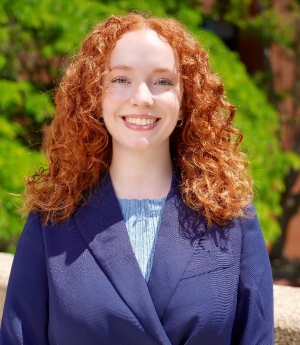
"Working at MDE reinforced my interest in pursuing a career in public interest environmental law."
- Madeline Quigley
Through the ELEAP Summer Fellowship, Cornelis ("Case") van Stolk served as a Government Affairs Intern with Our Children's Trust, where he worked under Government Affairs Attorney Liz Lee to advance youth-led climate advocacy efforts. In this role, he helped coordinate the Climate Rights Corps, a network of students, youth leaders, scientists, and partner organizations dedicated to promoting children's constitutional rights to a healthy environment.
Case's work included developing legislative tracking and lobbying strategies, communicating with members of Congress and partner organizations, managing outreach efforts, and organizing volunteers for advocacy meetings on Capitol Hill. He also played a key role in recruiting and training new interns to continue the organization's government affairs initiatives.
Through this experience, Case gained firsthand exposure to legislative advocacy and public policy, while building the skills needed to advance environmental issues through government engagement and coalition-building.
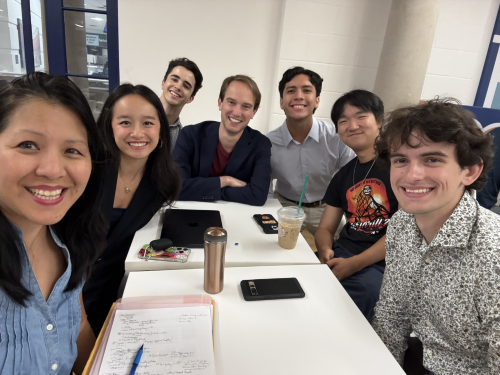
"Without question, this experience has given me a foundation for a career in government affairs."
- Case van Stolk
Rachel Kaiser spent the summer as a Legal Intern with People and Earth Law Group (PEL Group), a public interest law firm focused on environmental litigation and advocacy. Working remotely on matters in multiple states, Rachel conducted legal research and drafted memoranda on a variety of environmental law issues while strengthening her legal writing and analytical skills.
In addition to her research work, Rachel distinguished herself in a firmwide presentation competition designed to develop the communication and professional skills essential to legal practice. Her success earned her the opportunity to participate in client outreach efforts, where she helped prepare and deliver presentations to community organizations concerned about water quality issues in New York's Genesee River Basin. Through these efforts, she contributed to potential citizen-led environmental litigation and gained valuable experience in client engagement and advocacy.
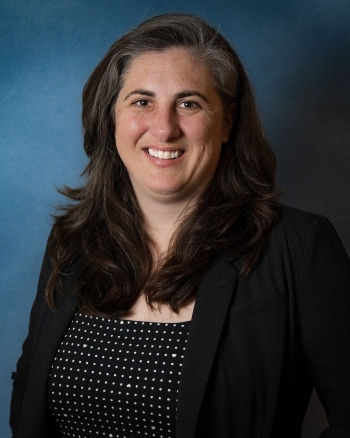
"This internship gave me the confidence in my research skills and affirmed my ability to provide high-level legal research and analysis in future practice."
- Rachel Kaiser